Why Am I Bloated? Understanding the Real Causes of Bloating and Distension
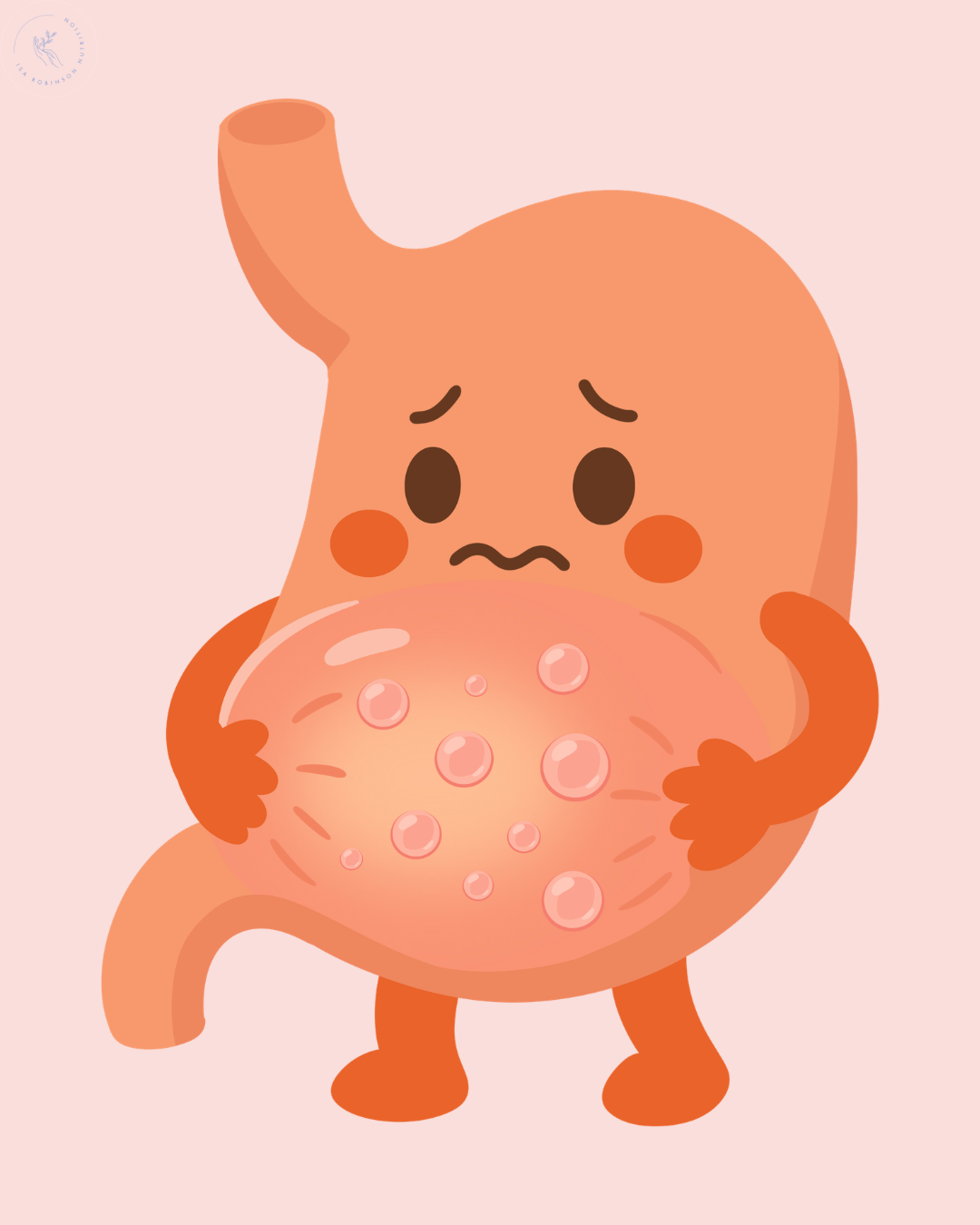
If you experience bloating, you are not alone. It’s one of the most common complaints people have about their digestion. Of course, in a world that glorifies pancake-flat stomachs and chiselled abs, in an area of the body that houses trillions of microbes and where, quite frankly, a lot of life-sustaining processes are occurring (think digestive system, bladder, and, for some, the uterus), it makes sense that we might feel a little uncomfortable when bloating occurs. Bloating, after all, is not the beauty standard.
The truth is, bloating is so common because it’s actually quite normal and there are many perfectly logical reasons for it. In this blog post, I want to break down what bloating really is, the reasons it happens (food and non-food related), and share some top tips to navigate bloating when it occurs.
What is Bloating? And What’s the Difference Between Bloating and Distension?
Before we dive into the causes, let’s clear up some common confusion between bloating and distension. Whilst bloating is a common colloquial term, less attention tends to be given to distension, and the two are not quite the same thing.
Distension: Distension refers to the physical expansion of the abdomen. It’s what happens when your belly visibly swells and appears larger than usual. Some degree of distension is completely normal and expected throughout the day as we eat and drink, and it should naturally reduce overnight. Distension is also a normal feature of pregnancy. That said, in some individuals, distension can be more severe and therefore uncomfortable. It can also occur as a symptom of certain medical conditions.
Bloating: Bloating is the sensation of tightness, pressure, fullness, or discomfort in the abdomen. It is more of a feeling and subjective experience than a visible change and can occur even when there is little or no obvious distension.
Bloating and distension can occur together, but they can also occur independently of one another. In fact, some people experience significant bloating with very little visible distension, whilst others experience obvious distension with surprisingly little discomfort
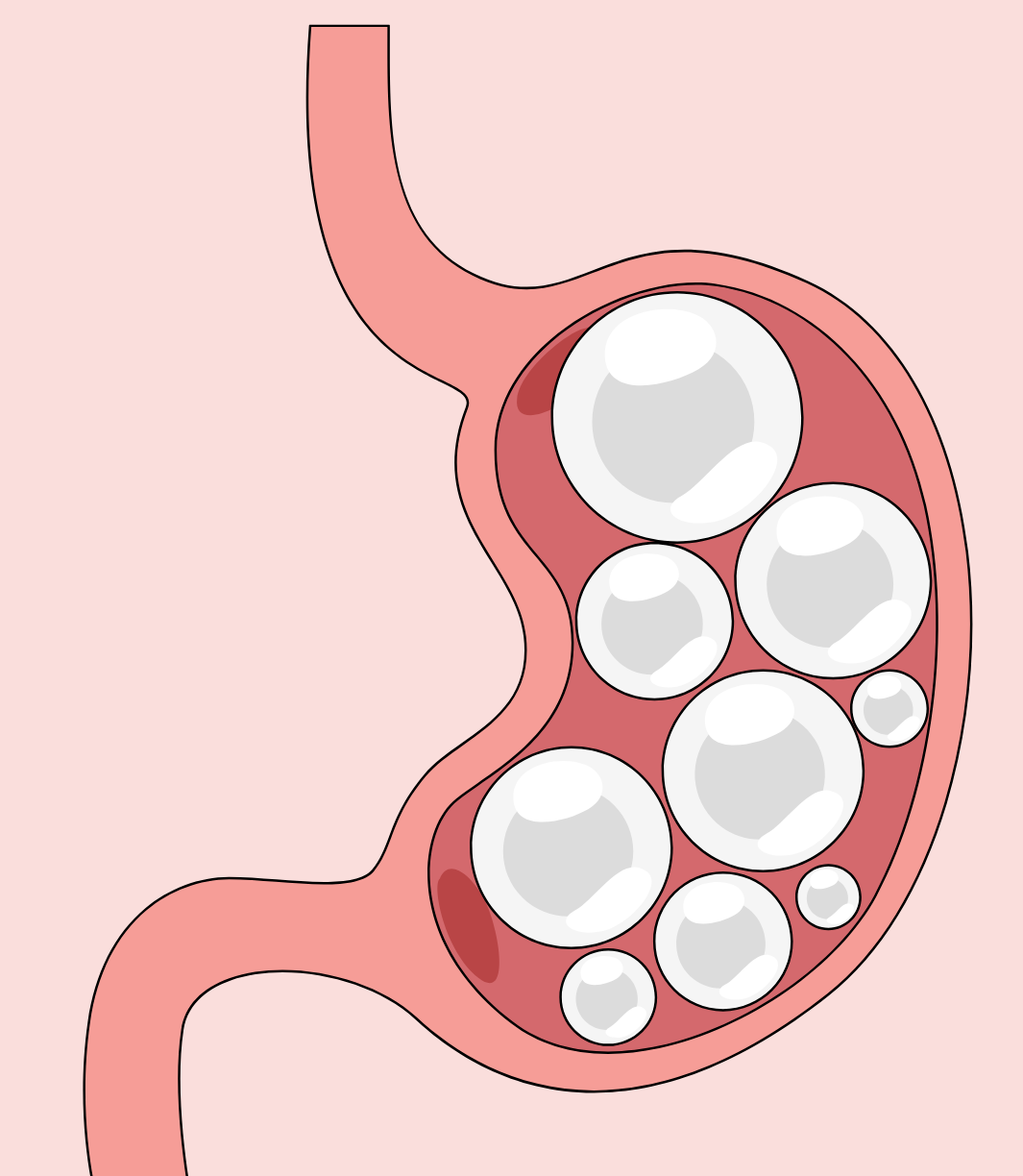
When It Might Be the Food
Because it’s easiest to link the gut to what we eat, many of us assume that bloating and / or distension are caused by certain foods or food groups – and sometimes, this is right. However, the foods responsible might not be the ones you're thinking of. Here are a few common causes:
Artificial Sweeteners: Some sweeteners, like sorbitol or xylitol, might be more difficult for the digestive system to process, potentially causing bloating or gas in certain individuals.
Carbonated Drinks: Sodas and sparkling water introduce extra air into the digestive system, which can lead to bloating or a “gassy” feeling.
Chewing Gum or Eating Quickly: Swallowing air while chewing gum or eating too fast can introduce extra air into the digestive system, contributing to bloating. We’re often more likely to eat fast if we’ve left big gaps between meals or are feeling very hungry so this is a good reminder to eat enough regularly throughout the day.
Coeliac Disease: For individuals with diagnosed coeliac disease, an autoimmune condition that requires following a medically advised gluten-free diet, even small amounts of gluten can cause bloating and other digestive symptoms. Interestingly, for those without coeliacs disease, following a gluten free diet hasn’t necessarily been shown to alleviate symptoms.
Food allergies and intolerances: For a smaller proportion of the population, genuine food allergies or intolerances may contribute to symptoms such as bloating, abdominal discomfort, excess wind, and abdominal distension.
One common example is sensitivity to certain carbohydrates known as FODMAPs (Fermentable Oligosaccharides, Disaccharides, Monosaccharides and Polyols), which are found in many highly nutritious foods including onions, garlic, beans, lentils, wheat products, milk, and some fruits. FODMAPs are poorly absorbed in the small intestine and are fermented by gut bacteria in the colon, which can increase gas production and fluid in the bowel, sometimes leading to bloating and digestive symptoms, particularly in people with IBS. However, it is important to note that FODMAP-containing foods are not harmful and often provide valuable nutrients and prebiotic fibres that support gut health.
It is also worth being cautious of commercial "food intolerance tests" (including IgG testing, hair analysis, and Vega testing), as these are not supported by scientific evidence and are not recommended by major organisations such as the British Society for Allergy & Clinical Immunology and European Academy of Allergy and Clinical Immunology. Rather than identifying true intolerances, these tests can lead to unnecessary dietary restriction, nutritional inadequacy, and increased anxiety around food. If you suspect a food intolerance, it is always advisable to seek support from a qualified healthcare professional before making significant changes to your diet.
Eating disorders and restriction
Not a food specifically, however, a history of chronic dieting, restrictive eating, or eating disorders can also contribute to bloating through changes in gut motility, heightened gut sensitivity, and increased preoccupation with bodily sensations. More about that coming up.
When It’s Probably Not the Food
Despite food often being blamed for bloating, there are plenty of cases where it’s not the food causing the problem. It’s important to remember that as well as digesting food, our gut houses both our immune system and our 2nd brain so there are plenty of other factors that can influence on what’s happening.
Here are a few non-food-related culprits:
Visceral Hypersensitivity
For some people, bloating and digestive discomfort are related to how sensitive their gut is, rather than the food they’re eating. This is known as visceral hypersensitivity. People with visceral hypersensitivity are not imagining their symptoms or "making them up"—the discomfort is very real. Rather, their nervous system is more sensitive to normal sensations arising from the digestive tract, such as stretching of the bowel, the movement of food, changes in gut motility, or normal amounts of gas. Sensations that may go largely unnoticed by one person can feel uncomfortable, painful, or highly noticeable to someone with visceral hypersensitivity even though there is nothing “bad” or damaging occurring.
This is more commonly seen in people with irritable bowel syndrome (IBS), where the gut and brain appear to communicate differently, leading to an amplified perception of normal digestive processes. Emerging research also suggests that gastrointestinal symptoms and altered sensory processing are more common in neurodivergent individuals, particularly those with autism and ADHD. While the exact reasons are still being explored, differences in sensory processing, interoception (the ability to perceive internal bodily sensations), and gut-brain communication may contribute to a heightened awareness of digestive sensations. In these cases, it is often less about what is on your plate and more about how your gut and nervous system are processing normal bodily signals.
Pelvic Floor Dysfunction and Abdomino-Phrenic Dyssynergia
Emerging research suggests that, for some people, bloating and abdominal distension may be related to how the muscles of the abdomen, diaphragm, and pelvic floor are coordinating, rather than what they have eaten. Normally, when gas accumulates in the gut, the body adapts through subtle muscular adjustments. However, in some individuals, the diaphragm moves downwards and the abdominal wall relaxes, causing the abdomen to visibly protrude. This phenomenon, known as abdomino-phrenic dyssynergia, has been identified in some people with IBS and chronic bloating. Similarly, dysfunction of the pelvic floor muscles can sometimes contribute to feelings of pressure, incomplete emptying, constipation, and abdominal distension. In these situations, treatment may involve physiotherapy, breathing exercises, pelvic floor rehabilitation, or gut-directed behavioural approaches rather than dietary restriction.
Stress and Anxiety
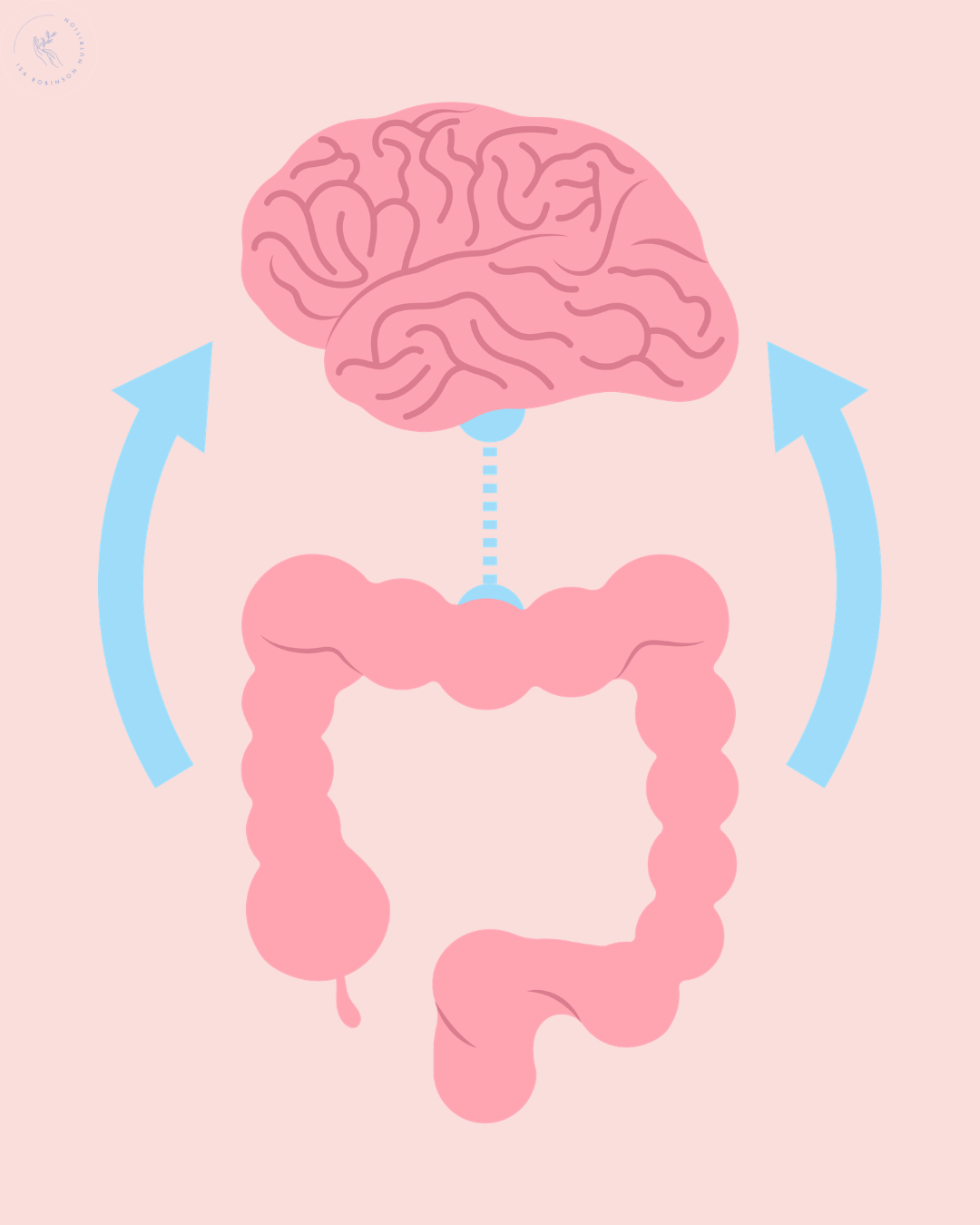
Believe it or not, your brain and gut are closely linked, often referred to as the "gut-brain axis." When you’re stressed or anxious, your digestive system can slow down, which may lead to bloating. Stress also triggers the release of hormones that can affect the way your intestines contract, which may cause bloating and discomfort. In these cases, it’s not about food at all—it’s about how your body reacts to psychological stressors.
The Impact of Food Scaremongering
With so much information (and misinformation) circulating about food sensitivities and intolerances, it’s easy to start believing that your body is reacting badly to gluten, dairy, or certain vegetables. Food scaremongering can lead people to unnecessarily cut out foods, which can cause more harm than good. Restrictive diets often create nutritional imbalances and can increase stress around eating, making digestive symptoms worse.
Before you cut anything from your diet, it’s a good idea to consult with a healthcare professional, such as a registered dietitian, registered nutritionist, or gastroenterologist, who can help you identify whether a food intolerance might be present and rule out any unnecessary restrictions.
Constipation
Even relatively mild constipation can contribute significantly to bloating and abdominal distension by slowing transit through the digestive tract.
Menstrual cycle and hormones
Hormonal fluctuations across the menstrual cycle can influence fluid balance, gut motility, and sensitivity within the digestive tract, making bloating particularly common in the days before and during menstruation.
When to Seek Medical Advice
Although bloating is common and often harmless, there are some situations when you should seek medical attention:
Severe or persistent bloating: If bloating is accompanied by severe pain, a significant change in your bowel habits, or if it doesn’t go away after a few days, it’s worth visiting your doctor.
Weight loss: If you’re losing weight unexpectedly along with bloating, it could be a sign of an underlying issue that needs further investigation.
Blood in your stool: This can indicate a more serious condition, and it is important to speak to your GP promptly.
Family history of digestive diseases: If your family has a history of bowel conditions like celiac disease, inflammatory bowel disease, or colon cancer, it’s worth mentioning any digestive changes to your doctor.
Your instinct: I always remind my clients that they are the experts in their own bodies. If you feel that something isn't quite right, it is always worth getting it checked by a healthcare professional.
Top Tips to Beat the Bloat
Here are some simple, science-backed strategies to help reduce bloating, but also, perhaps more importantly, to be kind and gentle with yourself and ride out some of the discomfort when very normal bloating or distension arises.
Remind yourself that this is likely normal: Unless you’ve noticed some red flags, try to reassure yourself that some distension, and a little communication from your gut that it's alive and working away in there, is part and parcel of being human. We are living creatures, not Barbie dolls, so stomachs will be a little different each day.
Challenge unrealistic beauty ideals that encourage us to self-objectify: Following on from point one, a gentle reminder that many of the beauty standards we are exposed to online are heavily edited, filtered, curated, or simply unattainable – especially when it comes to stomachs. When we’re experiencing bloating or distension, it can be interesting to ask ourselves: is this discomfort physical, or is it related to feeling "bad" or "wrong" in how my body looks? In untangling this, we can begin to respond more compassionately to what is actually happening. Rather than judging or fighting our bodies, we might acknowledge that fluctuations in the appearance of our stomach are a normal part of being human and gently redirect our focus towards how we feel, what we need, and the life we want to be living beyond body checking and appearance concerns.
Don't fall into the trap of symptom focussing: Research shows that when we focus on something, the feeling or sensation is exacerbated. When we feel bloated or distended it can be easy for all of our attention to be diverted to this and for a million questions to pop up about what we did, what we ate etc etc. Instead, try to be gentle with yourself and be kind. See if you can have a cuppa and distract yourself in a good book, some Netflix, call a friend or take a gentle walk. Taking your mind off it may even ease symptoms or at least prevent them from escalating.
Eat enough food: Restricting your food intake can sometimes make bloating worse by slowing digestion, increasing food preoccupation, and making the gut more sensitive to normal digestive processes. Eating regular, balanced meals and snacks throughout the day helps support healthy gut motility and can reduce the likelihood of bloating in the longer term. P.S. Don’t forget carbohydrates here as they support gut motility!
Eat regularly throughout the day and chew your food for maximum enjoyment: Our guts love structure so eating regularly and consistently across the day and taking time to chew, taste and enjoy our food can really help.
Be mindful of fibre intake: Both too much and too little fibre may contribute to bloating. Find a balance by gradually increasing fibre from whole grains, fruits, and vegetables while staying hydrated.
Be mindful of carbonated drinks: Fizzy drinks can trap gas in your digestive system, so try switching to still water.
Deep breaths: The gut and brain are in constant communication via what is known as the gut-brain axis. When we are stressed, anxious, or operating in "fight or flight" mode, digestion can slow down, gut sensitivity can increase, and symptoms such as bloating, discomfort, and abdominal pain may feel more intense. Techniques that stimulate the parasympathetic nervous system (our "rest and digest" state), such as slow diaphragmatic breathing, mindfulness, meditation, and gentle yoga, can help calm this response. In particular, slow breathing appears to stimulate the vagus nerve, a key pathway connecting the brain and gut, which may help reduce gut sensitivity and improve digestive function. Even a few minutes of slow, deep breathing before meals can be a helpful way to support both digestion and symptom management.
Conclusion
Bloating is uncomfortable, but for most people, it’s a temporary issue that can be improved with a few lifestyle changes. Whether it’s related to what you’re eating, how your gut is functioning, or how you’re managing stress, understanding the potential drivers can help you manage symptoms more effectively. A gentle remidner that it’s probably not gluten—and cutting out food groups without proper guidance can sometimes do more harm than good.
If your bloating persists, or you're concerned about other symptoms, don't hesitate to seek medical advice. A GP can help you rule out any underlying conditions and guide you toward feeling better!
References:
Aziz, Q., Simrén, M. and the Rome Foundation (2021) 'The role of visceral hypersensitivity in functional gastrointestinal disorders', Gastroenterology, 160(5), pp. 1449–1461.
Barba, E., Burri, E., Accarino, A., et al. (2019) 'Abdominophrenic dyssynergia: A mechanism of abdominal distension in patients with functional gut disorders', Gastroenterology, 156(6), pp. 1540–1551.
Bonaz, B., Bazin, T. and Pellissier, S. (2018) 'The vagus nerve at the interface of the microbiota-gut-brain axis', Frontiers in Neuroscience, 12, p. 49.
Carabotti, M., Scirocco, A., Maselli, M.A. and Severi, C. (2015) 'The gut-brain axis: Interactions between enteric microbiota, central and enteric nervous systems', Annals of Gastroenterology, 28(2), pp. 203–209
Chang, L. (2011) 'The role of stress on physiologic responses and clinical symptoms in irritable bowel syndrome', Journal of Gastroenterology and Hepatology, 26(Suppl. 3), pp. 72–78.
Gibson, P.R. and Shepherd, S.J. (2010) 'Evidence-based dietary management of functional gastrointestinal symptoms: The FODMAP approach', Journal of Gastroenterology and Hepatology, 25(2), pp. 252–258.
Halmos, E.P., Power, V.A., Shepherd, S.J., Gibson, P.R. and Muir, J.G. (2014) 'A diet low in FODMAPs reduces symptoms of irritable bowel syndrome', Gastroenterology, 146(1), pp. 67–75.
Holingue, C., Newill, C., Lee, L.C., Pasricha, P.J. and Daniele Fallin, M. (2018) 'Gastrointestinal symptoms in autism spectrum disorder: A review of the literature on ascertainment and prevalence', Autism Research, 11(1), pp. 24–36.
Leader, G., Tuohy, E., Chen, J.L., Mannion, A. and Gilroy, S.P. (2020) 'A systematic review of gastrointestinal disorders in autism spectrum disorder', Journal of Autism and Developmental Disorders, 50(11), pp. 3857–3873.
Moshiree, B., Drossman, D.A., Shaukat, A., et al. (2023) 'Understanding and managing abdominal bloating and distension', American Journal of Gastroenterology, 118(7), pp. 1083–1097.
Pehlivanidis, A., Papanikolaou, K., Mantas, V., Kalantzi, E. and Mouzaki, A. (2020) 'Attention deficit hyperactivity disorder and gastrointestinal morbidity: A systematic review', World Journal of Psychiatry, 10(11), pp. 355–367.
Simrén, M., Barbara, G., Flint, H.J., Spiegel, B.M.R., Spiller, R.C., Vanner, S., Verdu, E.F., Whorwell, P.J. and Zoetendal, E.G. (2013) 'Intestinal microbiota in functional bowel disorders: A Rome Foundation report', Gut, 62(1), pp. 159–176.
Stapel, S.O., Asero, R., Ballmer-Weber, B.K., et al. (2008) 'Testing for IgG4 against foods is not recommended as a diagnostic tool', Allergy, 63(7), pp. 793–796.
Stapel SO et al. Allergy (2008); Gibson & Shepherd. Journal of Gastroenterology and Hepatology (2010); Halmos EP et al. Gastroenterology (2014); BSACI Position Statement on IgG Food Testing; EAACI Task Force Report on IgG4 Testing.