Last weekend, I took part in a training course on facilitating spiritual growth at The Centre for Counselling and Psychotherapy Education. The course was a chance for me to dip my toe into some psychology training that I’ve been wanting to do for a while. It was also very much outside my comfort zone. That said, as the weekend went on, I found myself increasingly open to the material, with space to consider what it means to reconnect with ourselves beneath the identities, expectations and ways of being we have acquired throughout our lives.
I found myself reflecting on how much of this resonates with eating disorder recovery. Although the course wasn't specifically about eating disorders, it prompted me to consider some of the deeper questions that can sit beneath this often abstract theme of recovery: What even is recovery? Who am I beyond my eating disorder? What have I learnt to believe about myself? And what might it mean to feel at home in myself and in the world?
Here are six reflections I took away and hoped to share with you.

1. Facing the hard stuff
Recovery isn't simply about changing behaviours. It can also mean beginning to acknowledge the pain, fears and experiences that sit beneath them.
For someone experiencing an eating disorder, restriction, food rules, compulsive exercise or body checking may have become ways of managing difficult emotions, navigating uncertainty or trying to feel safe. These behaviours may be causing harm, but they can also serve a purpose, which can make them much harder to let go of.
Moving towards recovery means finding ways to understand these patterns, rather than simply trying to eliminate them. What might the eating disorder be helping someone manage? What feels frightening about letting it go? What might need to be felt, understood or grieved along the way?
This doesn't mean someone needs to resolve every underlying difficulty before they can recover. Adequate nutrition is often an essential foundation for deeper psychological work, as malnutrition can affect our ability to think clearly, regulate emotions and process experiences. Nor does it mean pushing someone to confront difficult experiences before they feel ready or have the resources to do so. Rather, it means recognising that recovery can involve both behavioural change and a deeper process of understanding ourselves.
Sometimes, the things we most want to escape are the things we may need support to understand.

Photo by Johanneke Kroesbergen-Kamps on Unsplash
2. Our bodies are not the whole of who we are
One of the ideas that stayed with me was the notion that our embodied form is the casing of the soul and spirit.
It made me think about body image, and how easily we can come to experience our bodies as the defining feature of who we are – thanks, diet culture!
For someone struggling with an eating disorder, the body can become a site of constant evaluation. Its shape, size, weight and appearance may feel inextricably linked to worth, identity and belonging. The body can become something to control, correct, shrink or punish, rather than the place from which we experience our lives.
What might shift if we began to see the body not as an object that determines our value, but as the means through which we experience connection, pleasure, movement, relationships and the world around us?
This isn't about having to love our bodies all the time or finding something positive to say about our appearance. For some people, that can feel impossible or even alienating. Perhaps the invitation is simply to recognise that our bodies are part of us, but not the entirety of who we are.
We don't have to love how our bodies look to begin making space for a life that is bigger than how we feel about them.

Photo by Michael Kirsh on Unsplash
3. Turning inwards: learning to listen to ourselves
We spend so much of our lives looking outwards for answers. We absorb messages from family, friends, culture and social media about who we should be, how we should eat and look, and what we should value.
Over time, it can become difficult to distinguish what we genuinely want and need from what we have learnt to expect of ourselves.
This feels particularly relevant in eating disorder recovery, where external rules can become so dominant. What should I eat? What am I allowed to eat? Have I eaten too much? Have I moved enough? Am I doing recovery correctly? The rules can become louder than our own internal experiences.
Reconnecting with ourselves might involve gradually learning to notice hunger, fullness, satisfaction, emotions and bodily sensations, alongside our values, preferences and needs. Eating disorders, anxiety, medication, prolonged restriction and neurodivergence can all affect how reliably we perceive or interpret internal cues. Developing interoceptive awareness is therefore not simply a matter of learning to trust every sensation immediately. It can involve rebuilding a relationship with the body over time, with professional support, regular nourishment and curiosity.
Perhaps this process also extends beyond food. Can we begin to ask ourselves what we need, what matters to us and what we want our lives to stand for? Can we recognise the qualities we already possess, rather than defining ourselves solely through the expectations and identities we have acquired?
Recovery can be an opportunity to move away from living by rules about who we should be, towards discovering who we are and what we need.
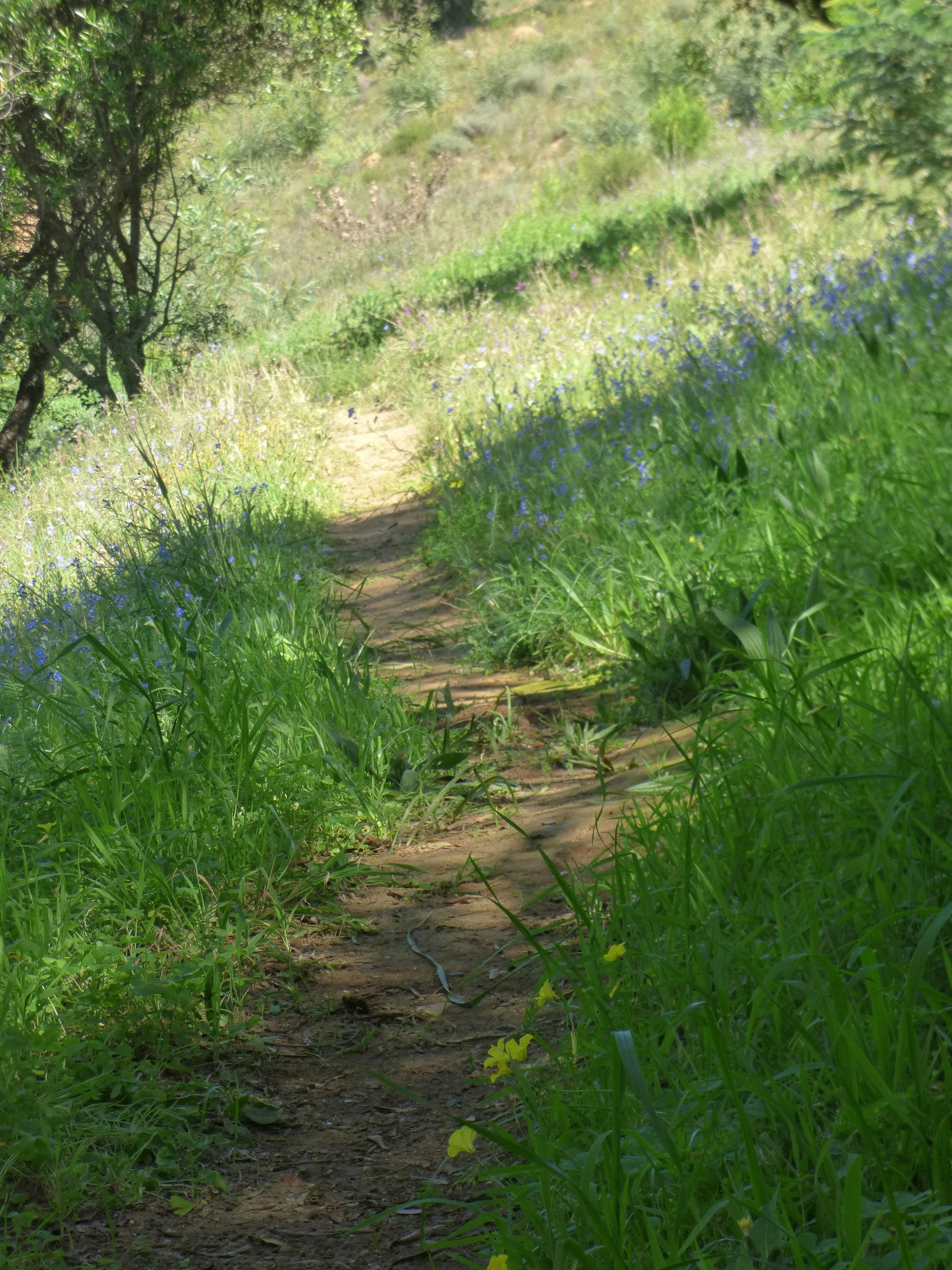
Photo by Shane Monarc on Unsplash
4. Beauty, connection and living life
Another theme that stayed with me was the idea that beauty in the world can help us reconnect with something meaningful within ourselves. The course explored how landscapes, nature and moments of awe can offer a different perspective, reminding us that we are part of something larger than ourselves.
I found myself thinking about how consuming eating disorders can be. When so much attention is directed towards food, weight, shape and the body, life can gradually become smaller. Relationships, creativity, spontaneity and the simple pleasure of being in the world can begin to fall away.
Recovery is not only about restoring eating patterns or changing our relationship with food. It is also about reclaiming the space to live.
It might mean walking somewhere beautiful and noticing the landscape, without turning the experience into an opportunity to exercise. It might mean laughing with a friend, making something, listening to music or feeling absorbed in a conversation. It might mean experiencing pleasure without needing to earn it.
These moments do not replace nutritional rehabilitation or psychological support, but they can remind us what recovery makes possible: a life with room for curiosity, connection and wonder.
Recovery is not just about finding a way out of the eating disorder; it is about rediscovering what makes life feel worth inhabiting.

Photo by Jan Tinneberg on Unsplash
5. Our bodies and ourselves as sacred
One of the ideas I found myself returning to was that of sacredness. During the course, we explored how we might recognise something sacred in the world around us: in landscapes that inspire awe, in places of worship and in moments when we feel connected to something beyond our everyday concerns.
There is something powerful about entering a sacred space. It might be a cathedral, a temple, a forest or a stretch of coastline. These places can invite us to pause, to be present and to relate to the world differently. They may evoke a sense of wonder, humility or belonging, reminding us that life is not simply something to manage or control.
But what if sacredness is not only something we encounter outside ourselves? What if we could begin to recognise ourselves as sacred beings, too?
The concept of body sanctification, explored by Webb et al. (2015) in their work on positive body image, offers one way of thinking about the spiritual significance and meaning our bodies may hold. We come from the Earth, live in relationship with it, and eventually return to it. We are not separate from the natural world, but part of its unfolding.
Perhaps recognising our own sacredness means allowing ourselves to be seen differently: not only through the labels we have accumulated, the roles we fulfil or the judgements we make about our appearance, but as beings with a depth and worth that cannot be reduced to any of these things.
In eating disorder recovery, this offers a different place from which to begin. Rather than asking whether our bodies are good enough or deserving of care, we might ask what it means to treat ourselves with the same respect and tenderness we would bring to something we consider sacred. This is not about needing to feel beautiful or spiritual, or having to believe in a particular faith. It is an invitation to consider whether our bodies and lives might be worthy of care simply because they are ours.
Perhaps we do not need to earn the right to care for ourselves. Perhaps we can begin by recognising that we, too, are worthy of reverence.

Photo by Karen Cann on Unsplash
6. Recovery is about wholeness, not perfection
One final idea from the course stayed with me: the journey is not about perfection, but wholeness.
Eating disorders so often promise that if we can just get things right – eat correctly, look a certain way and feel in control – then we will finally feel okay.
But recovery asks something different of us. It asks us to make room for uncertainty, complexity, vulnerability and change. To recognise that we can be frightened and courageous, struggling and growing, imperfect and worthy of care, all at the same time.
Wholeness does not mean becoming a finished version of ourselves, free from difficulties or contradictions. Nor does it mean accepting the eating disorder as something we must learn to live with indefinitely. Rather, it might mean finding ways to live more in keeping with our needs and values, while continuing to move towards freedom from the eating disorder.
The course also reminded me that insight alone is not enough. Whatever we learn about ourselves, the challenge is to bring that understanding into everyday life: into how we nourish ourselves, how we relate to others and how we respond to difficult feelings.
Perhaps the invitation is to keep asking: What would it mean to live a little more fully, in the body and life I have today, while continuing to make space for recovery and change?
Because ultimately, recovery is not about becoming perfect or never struggling again. It is about moving towards a life in which food, body image and the eating disorder no longer dictate the terms, a life with greater freedom, connection and room to be ourselves.

Photo by Christoffer Engström on Unsplash